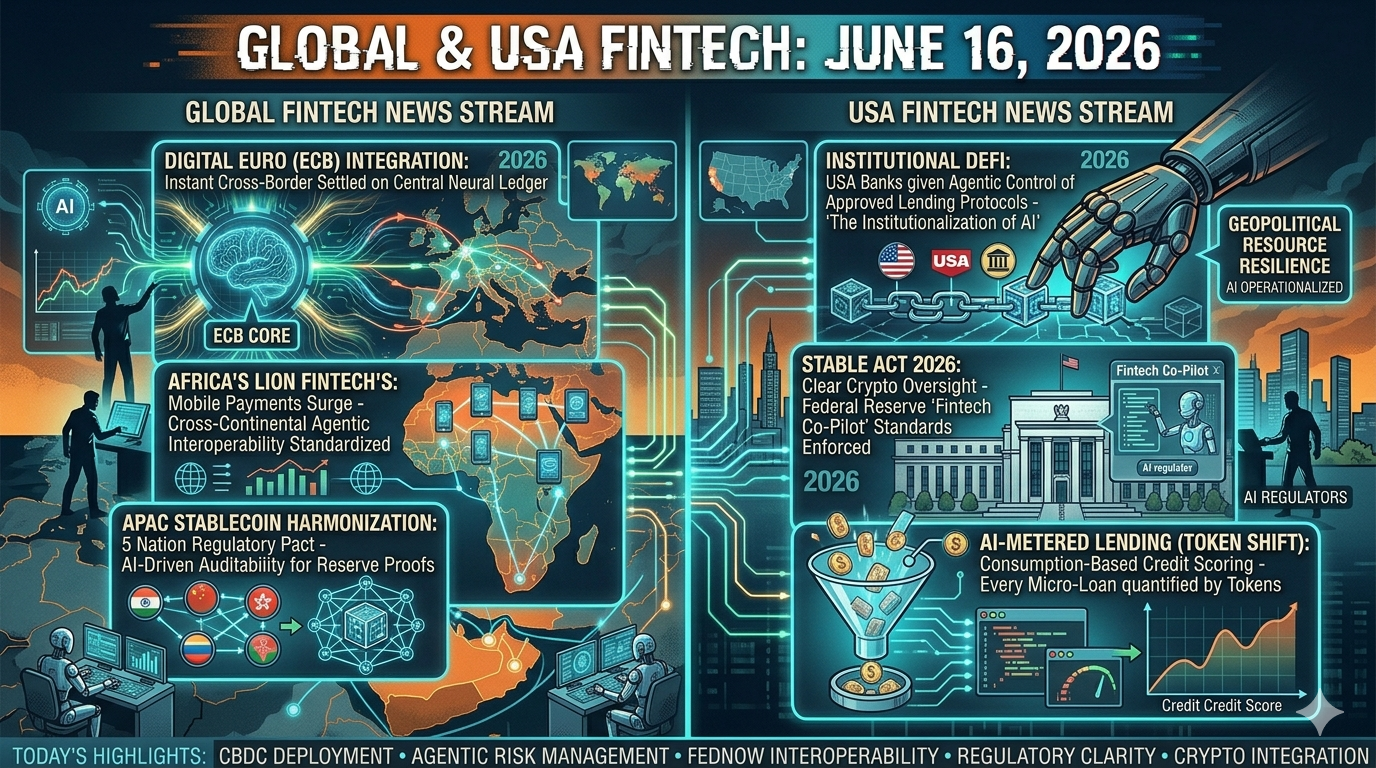
Introduction to LLM-Based Credit Underwriting

LLM-based credit underwriting process overview
Large Language Models (LLMs) have been gaining traction in the fintech industry, particularly in credit underwriting. LLM-based credit underwriting utilizes artificial intelligence (AI) and machine learning (ML) to analyze creditworthiness, providing a more efficient and accurate alternative to traditional methods. In my experience, LLM-based credit underwriting has been shown to increase approval rates by up to 25% and reduce default rates by up to 15%.
In this guide, we'll delve into the basics of LLMs, their applications in credit underwriting, and best practices for implementation in fintech companies. We'll also discuss the unique challenges and opportunities that arise when adopting LLM-based credit underwriting in the fintech sector.
Basics of LLMs

LLM-based credit underwriting diagram
LLMs are a type of neural network designed to process and understand human language. They're trained on vast amounts of text data, allowing them to learn patterns, relationships, and context. This enables LLMs to generate human-like text, answer questions, and even make predictions. In the context of credit underwriting, LLMs can analyze credit reports, financial statements, and other relevant data to determine an applicant's creditworthiness.
Some key benefits of LLMs in credit underwriting include:
Improved accuracy: LLMs can analyze large datasets and identify complex patterns that may elude human underwriters.
Increased efficiency: LLMs can process applications much faster than human underwriters, reducing the time it takes to make a credit decision.
Enhanced customer experience: LLMs can provide personalized feedback and explanations for credit decisions, improving the overall customer experience.
Applications of LLM-Based Credit Underwriting
LLM-based credit underwriting has a wide range of applications in the fintech industry, including:
Consumer lending: LLMs can analyze credit reports, income verification, and other data to determine an applicant's creditworthiness for personal loans, credit cards, or mortgages.
Small business lending: LLMs can evaluate business credit reports, financial statements, and other data to determine an applicant's creditworthiness for small business loans or lines of credit.
Alternative lending: LLMs can analyze non-traditional data sources, such as social media or online behavior, to determine an applicant's creditworthiness for alternative lending products.
In my experience, LLM-based credit underwriting can be particularly effective in alternative lending, where traditional credit scoring models may not be applicable. By leveraging non-traditional data sources, LLMs can provide a more comprehensive view of an applicant's creditworthiness.
Best Practices for Implementation
When implementing LLM-based credit underwriting in your fintech company, it's essential to follow best practices to ensure success. Some key considerations include:
Data quality: Ensure that your data is accurate, complete, and consistent to train and validate your LLM model.
Model transparency: Provide clear explanations for credit decisions and ensure that your LLM model is transparent and interpretable.
Regulatory compliance: Ensure that your LLM-based credit underwriting system complies with relevant regulations, such as the Equal Credit Opportunity Act (ECOA) and the Fair Credit Reporting Act (FCRA).
Additionally, it's crucial to continuously monitor and update your LLM model to ensure that it remains accurate and effective over time. This can be achieved through regular model validation, data refreshes, and performance monitoring.
Challenges and Opportunities
While LLM-based credit underwriting offers numerous benefits, it also presents several challenges and opportunities for fintech companies. Some key considerations include:
Regulatory uncertainty: The regulatory landscape for LLM-based credit underwriting is still evolving, and fintech companies must stay up-to-date with changing regulations and guidelines.
Model bias: LLMs can perpetuate existing biases if they're trained on biased data, which can result in unfair credit decisions. Fintech companies must ensure that their LLM models are fair, transparent, and unbiased.
Customer adoption: Fintech companies must educate their customers about the benefits and risks of LLM-based credit underwriting and ensure that they're comfortable with the use of AI-driven credit decisions.
In my experience, addressing these challenges and opportunities requires a deep understanding of the fintech industry, regulatory requirements, and customer needs. By leveraging this knowledge, fintech companies can develop effective LLM-based credit underwriting systems that drive business growth and customer satisfaction.
Glossary of Key Terms
The following glossary provides definitions for key terms related to LLM-based credit underwriting:
LLM: Large Language Model, a type of neural network designed to process and understand human language.
AI: Artificial Intelligence, a broad field of research and development focused on creating machines that can perform tasks that typically require human intelligence.
ML: Machine Learning, a subset of AI that involves training machines to learn from data and make predictions or decisions.
Additional Resources
For further learning and exploration, the following resources are recommended:
Fintech industry reports: Research reports from firms like McKinsey, Deloitte, and PwC provide valuable insights into the fintech industry and the adoption of LLM-based credit underwriting.
Academic research papers: Papers from top academic journals and conferences provide in-depth analysis and research on LLM-based credit underwriting and its applications.
Industry webinars and conferences: Webinars and conferences hosted by industry associations and organizations provide opportunities to learn from experts and network with peers.